The Private Jet Booking Process: What First-Time Charter Clients Actually Experience
The Assumption That Keeps People From Trying
There is a specific assumption that prevents a meaningful number of people from engaging with private aviation even when the economics would work for them: the assumption that booking a private jet is a complicated, exclusive process that requires knowing the right people, navigating opaque pricing, or spending far more than they are willing to spend. This assumption is understandable given how private aviation has historically been marketed and accessed, but it is significantly out of date.
The practical process of chartering a private jet through a modern, technology-driven platform is not dramatically more complicated than booking a premium hotel suite or arranging a high-end catering delivery. The steps are logical, the information provided at each stage is transparent, and the commitment happens only when you have reviewed all the relevant details and decided they work for you. This article walks through the complete process for a first-time charter client, from the moment of first inquiry through to arrival at the destination.
The Inquiry: What You Actually Need to Provide
The starting point for any private charter booking is an inquiry that specifies the basic parameters of the trip. Departure city or airport, destination city or airport, preferred date and departure time, number of passengers, and any specific requirements around aircraft size or cabin configuration. This information can be submitted in a few minutes at charter-quote and the response from the operator network typically comes back with aircraft options and pricing within a few hours for standard domestic bookings and within a business day for more complex routings.
You do not need to know which specific aircraft type you want before making the inquiry. The response will present options that meet the basic requirements of your routing and passenger count, with enough information about each aircraft to make an informed choice. If you have a strong preference for a specific cabin size or specific amenity, that is useful to include in the inquiry but it is not a prerequisite for getting a useful response.
Understanding the Quote You Receive
The quote for a private charter flight typically includes a total price for the specific aircraft on the specific routing, with component details about what is included. Well-structured quotes from direct operators show the flight hour charge, the FBO fees at both ends, the fuel component, and any applicable positioning fees if the aircraft is not based at your departure airport. Understanding each component helps you evaluate whether the total represents fair value and allows you to make meaningful comparisons if you receive quotes for different aircraft options.
For first-time charter clients, the most common source of surprise in the quote is the FBO fee component. Fixed base operator fees at major private aviation facilities can range from a few hundred dollars at smaller regional airports to several thousand dollars at premium facilities at busy airports. These fees cover the ground handling services including ramp access, baggage handling, crew facilities, and the terminal experience that is such a significant part of what distinguishes private aviation from commercial travel. They are a legitimate cost and not a hidden charge, but understanding what they represent before you see them on a quote prevents the confusion that can arise when a first-time client receives a detailed cost breakdown.
Confirming the Booking
Once you have reviewed the quote and decided to proceed, confirming the booking involves a straightforward exchange with the operator through the CharterBlast platform. You provide confirmation of the passenger details including full names for the flight manifest, confirm the departure time and airport, confirm any catering requirements, and provide payment information. For most domestic charters, a deposit is required at confirmation with the balance due before or at departure.
The operator provides a confirmation document that includes the flight details, the specific aircraft registration, the crew information, the departure FBO contact details, and any specific instructions about arrival time and ground handling. For first-time clients, this document is worth reading in detail because it contains practical information about what to expect on the day of departure that makes the experience smoother.
Arriving at the FBO: The First Thing That Changes Everything
The FBO experience is the moment that first-time private charter clients most consistently report as the point where they understood what private aviation actually means. You drive up to a facility that looks nothing like a commercial terminal. There are no long drop-off lines, no airline signage, no mass of travelers with luggage carts. A greeter typically meets you either at the entrance or at your vehicle, takes your bags, and escorts you into the terminal.
The interior of a premium FBO is closer to the lobby of a boutique hotel than to any airport terminal environment. Comfortable seating, refreshments, reliable Wi-Fi, and staff whose entire professional focus is ensuring that you are comfortable and that your departure goes smoothly. There are no PA announcements about other flights. There is no security theatre. When the aircraft is ready and the crew has completed pre-flight, a staff member escorts you directly from the lounge to the aircraft. The total time between arriving at the FBO and being seated in the cabin is typically five to fifteen minutes.
The Flight Itself
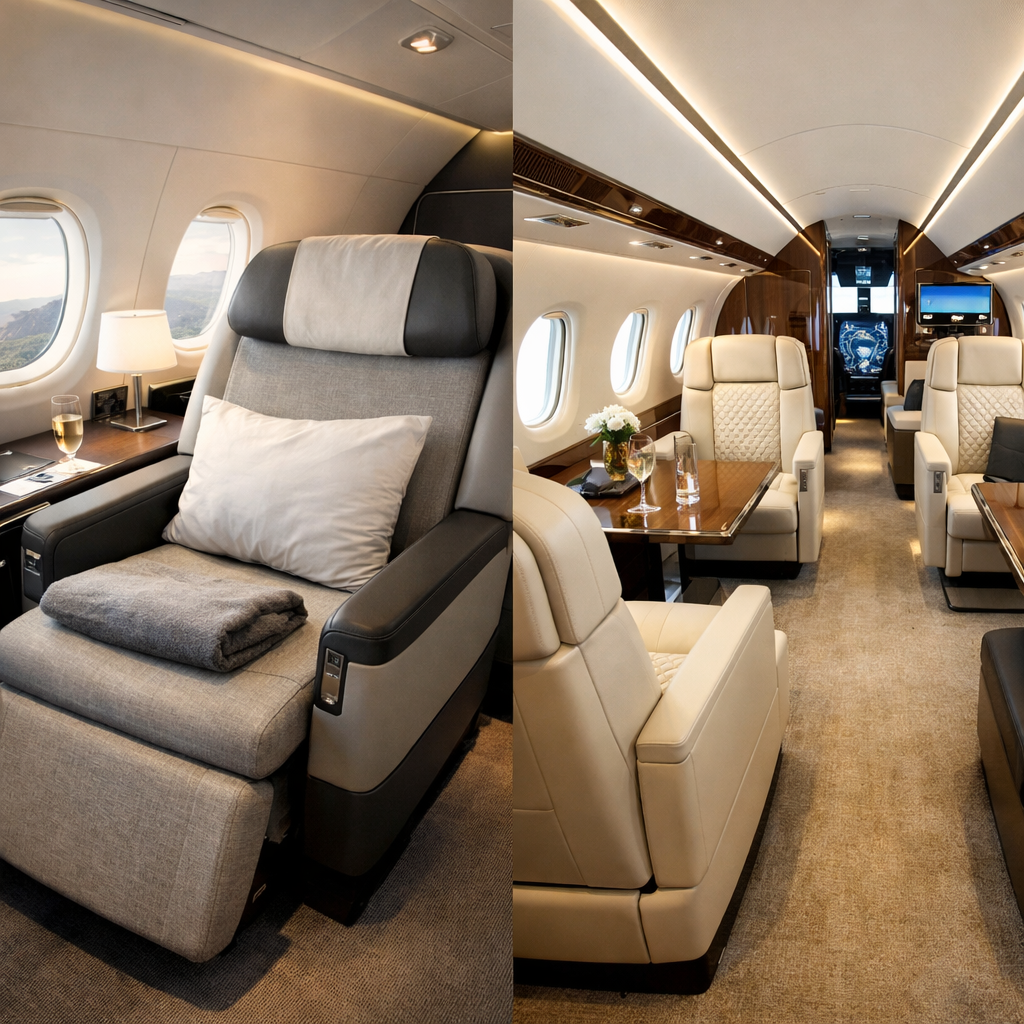
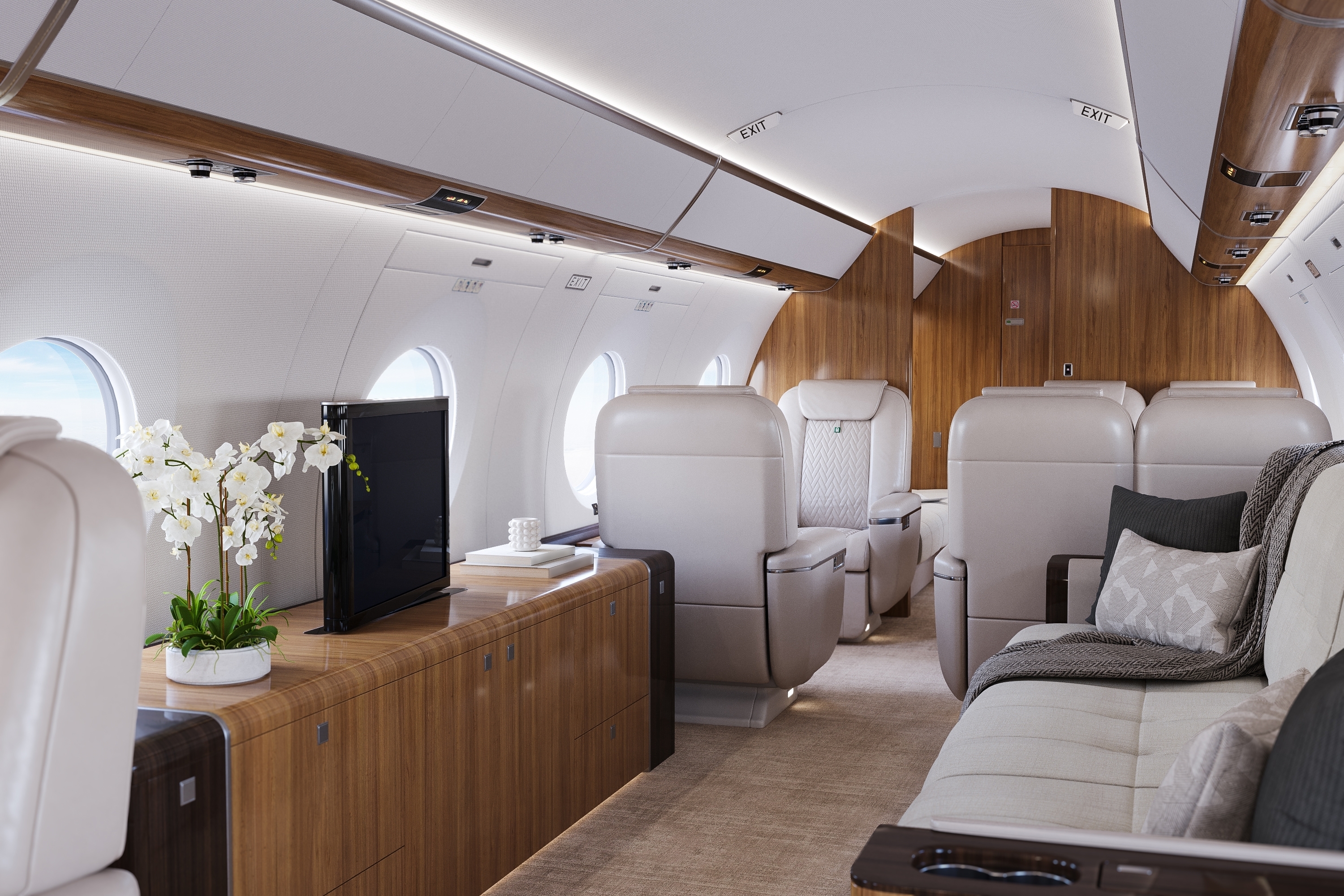
Private aviation newcomers sometimes express surprise at how straightforward the in-flight experience is. The aircraft is what the quote described. The crew is professional and attentive in a way that reflects a specific service standard rather than the variable quality of commercial cabin service. The catering that was requested is present and properly prepared. The flight time is roughly what was estimated.
What is different from any commercial flight experience, including first class, is the privacy. You are in a cabin with the people you chose to travel with and no one else. Conversations that would be inappropriate in a commercial cabin are entirely private. Phone calls that you would not make from an airline seat happen naturally. The working session that never quite comes together in a commercial first class seat because of the ambient noise and the awareness of adjacent passengers is straightforward to execute in a private cabin. For the many travelers who have discovered private aviation through empty leg bookings as their first experience, the full picture of what the product delivers is covered at what-are-empty-leg-flights, and the guide to the first booking is at how-to-book-empty-leg-flights.