The Insider's Guide to Empty Leg Flights
The Flight That Almost Nobody Knows About
There is a segment of private aviation that sits quietly between the world of full charter pricing and the theoretical idea of flying private for free. It has been there for decades, quietly used by those close enough to the industry to understand it, and largely invisible to everyone else. That segment is the empty leg flight, and it is one of the most genuinely underutilized opportunities in luxury travel today.
The concept is straightforward. When a private jet completes a one-way trip and has no passengers scheduled for the return, it has to fly back empty. The aircraft still burns fuel. The crew still gets paid. The FBO fees still get charged. The only variable is whether anyone is sitting in the cabin. For the operator, that empty return flight is a sunk cost that can either fly at zero revenue or be sold at a meaningful discount to a traveler going in the same direction. This is the empty leg.
CharterBlast was built specifically around making these opportunities accessible in real time, connecting travelers with certified operators at the exact moment an empty leg becomes available. You can see what is currently listed at https://www.charterblast.com/empty-leg-flights and the difference between this and the traditional broker approach is significant. What was once the domain of people who knew the right phone numbers is now a technology platform that surfaces these flights and puts them directly in front of the right people.
Why Empty Legs Exist and Why Operators Want to Sell Them
Understanding the operator's position is the key to understanding why empty leg deals are as good as they are. A Part 135 charter operator running a busy fleet is constantly managing aircraft positioning. A client flies from Teterboro to Miami on a Tuesday morning. The aircraft lands in Miami at noon. The next booking for that aircraft is a Thursday departure from Teterboro. The plane has to get back to New York somehow, and it is going to make that flight regardless.
What operators are selling when they list an empty leg is not a discount on the experience. The aircraft is the same, the crew is the same, the FBO access is the same. What they are selling is the right to be in the cabin during a flight that is already happening. The pricing reflects that reality. Operators are not losing money on an empty leg sale. They are gaining revenue they would not otherwise have on a flight they were always going to operate.
This is why the discounts are genuine and why they can be substantial. On a standard repositioning from Miami to New York on a midsize jet, the operator might price the empty leg at $5,500 to $7,000 where a full charter on the same aircraft and route would be $14,000 to $18,000. The operator makes revenue they would not have. The traveler gets a private jet at a fraction of the published charter rate. There is no catch. The math works for both parties.
What the Experience Is Actually Like
This is where many people who have heard about empty legs but never flown one have misconceptions. The in-flight experience on an empty leg is identical to a standard charter on the same aircraft. You are walking through the same private FBO terminal, boarding the same aircraft, sitting in the same cabin, and being served by the same crew. The aircraft does not know or care whether you paid the full charter rate or the empty leg rate.
What is different is the peripheral experience around the flight itself. On a standard charter, the operator is arranging the trip specifically for you from the moment of booking. On an empty leg, the flight parameters are already determined by the original outbound booking that created the leg. The departure airport, arrival airport, and time window are fixed. You are joining a flight that already has an itinerary, not designing one from scratch.
For travelers who have flexibility, this is a reasonable trade-off. For travelers whose schedules are completely fixed around a specific time and a specific airport with no room for variation, empty legs may not always be the right fit. The best empty leg clients are those who treat the flexibility itself as part of the value proposition and, in doing so, consistently access private jet travel at prices that would otherwise be completely out of reach.
The Routes Where Empty Leg Supply Is Strongest
Empty leg availability is not evenly distributed across all routes and all markets. The highest volume of empty legs appears on the corridors that see the most private charter traffic in the first place, which makes intuitive sense. The more charter flights operating on a route, the more repositioning flights there are, and the more empty legs become available.
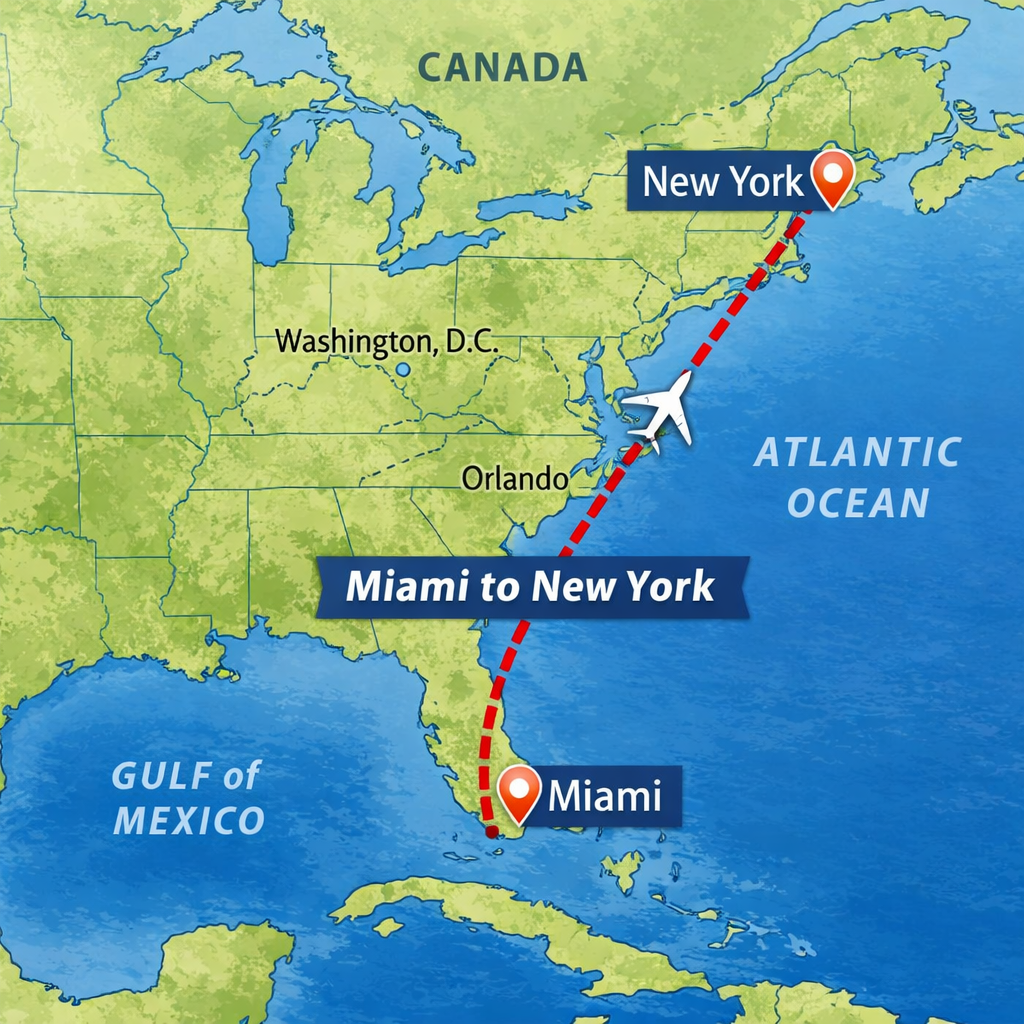
In the United States, the New York to Miami and Miami to New York corridor consistently produces some of the highest empty leg volumes year-round, with a particular surge during winter months when northeast-based clients are flying south for the season. The New York to Los Angeles and Los Angeles to New York transcon routes also carry strong empty leg supply driven by entertainment industry, finance, and tech sector demand. Within Florida, the Miami to Fort Lauderdale to Palm Beach corridor generates significant repositioning traffic given the density of HNWI residents across that stretch of coastline.
In markets like Las Vegas, empty leg supply spikes around major events as operators bring aircraft in for event-driven demand and need to reposition them afterward. Understanding these patterns is part of what the CharterBlast platform does. You can review the pricing and availability breakdown at https://www.charterblast.com/empty-leg-flight-cost to understand what different corridors typically look like before you start monitoring.
How CharterBlast Makes Empty Legs Accessible
The traditional way to access empty legs was to know someone in the industry. A broker who had relationships with half a dozen operators would hear about repositioning flights and pass them along to clients who had expressed interest. The system worked but it was slow, opaque, and entirely dependent on who you knew.
CharterBlast changes this dynamic by connecting directly with FAA-certified Part 135 operators and building a real-time feed of available empty legs that is matched to traveler profiles using geo-location and preference data. The moment an operator lists an available leg, it reaches travelers who are already in the right departure region and have indicated interest in the destination. There is no broker layer adding margin to the transaction. The traveler talks directly to the operator, and the platform facilitates the connection rather than inserting itself as an intermediary.
The Practical Calculus of Flying Empty Legs Regularly
For travelers who fly privately with any regularity, building empty leg access into their travel planning is one of the most financially rational decisions available in the luxury travel space. Consider a traveler who makes four private jet trips a year between New York and Miami. At standard charter rates, that is roughly $56,000 to $72,000 annually. If two of those four trips can be fulfilled by available empty legs, the annual cost drops by $15,000 to $25,000 without any change in the actual experience.
The key to making this work consistently is not obsessing over finding the perfect empty leg that matches a predetermined itinerary exactly. It is approaching travel with enough flexibility to adapt around available legs when they appear. The process for how this works in practice is covered in detail at https://www.charterblast.com/how-to-book-empty-leg-flights where you can see exactly what the booking flow looks like from inquiry to confirmed departure.
A Note on Reliability and What Happens If Plans Change
It is important to be honest about the one genuine limitation of empty leg travel. Legs can be cancelled. If the original inbound booking that created the empty leg changes, the leg disappears with it. This is not common but it does happen, and any guide that does not mention it is not giving you the full picture.
CharterBlast operators are required to notify booked travelers as early as possible when a cancellation occurs, and the platform works to source alternative aircraft when this happens. For travelers booking final-leg travel with no flexibility on arrival timing, this is a risk worth factoring in. For travelers with reasonable flexibility and a preference for value, it is a manageable trade-off that rarely materializes in practice. The fleet density in the major US markets means that alternatives are almost always available when you need them.
The Bottom Line on Empty Legs
Empty leg flights represent one of the most genuinely compelling value propositions in private aviation. The aircraft is the same. The crew is the same. The FBO is the same. The only thing that changes is the price, and the price changes dramatically in your favor. If you are ready to see what is currently available, https://www.charterblast.com/empty-leg-flights shows live inventory from certified operators. And if you want a quote for a specific route where an empty leg may not be listed yet,https://www.charterblast.com/charter-quote connects you directly with operators who cover that corridor.
Published on CharterBlast Blog — https://www.charterblast.com/blog/empty-leg-flights-guide