Private Jet Charter Quote: What You Are Actually Paying For
The Number You See Is Not Always the Number You Pay
Requesting a private jet charter quote is a more nuanced exercise than it might initially appear. The figure that appears at the top of a quote from a traditional broker and the figure that comes directly from an operator are often different numbers representing different things, and understanding why is one of the more important pieces of context for anyone who charters private aircraft with regularity or is considering doing so for the first time.
Charter pricing in the traditional model flows through at least two layers before it reaches the client. The operator has a base cost for flying the specific aircraft on the specific route including fuel, crew, maintenance amortization, FBO fees, and a margin. The broker adds their own margin on top of this, typically ranging from 10 to 25 percent depending on the relationship, market conditions, and how motivated they are to close the booking. What the client sees is the sum of both margins, quoted as though it were a single number.
This is not inherently dishonest. It is simply how the traditional charter market has operated. But it does mean that the quote you receive from a broker and the quote you receive from the operator directly for the same flight on the same day may look quite different. CharterBlast's model eliminates this layer by connecting clients directly with certified operators. You can request a quote at charter-quote and what you receive reflects actual operator pricing rather than operator pricing plus intermediary margin.
What the Core Components of a Charter Quote Include
A properly structured private jet charter quote breaks down into several components, even if they are sometimes presented as a single line item. Understanding each component makes you a more informed buyer and allows you to evaluate quotes from different sources on a genuinely apples-to-apples basis.
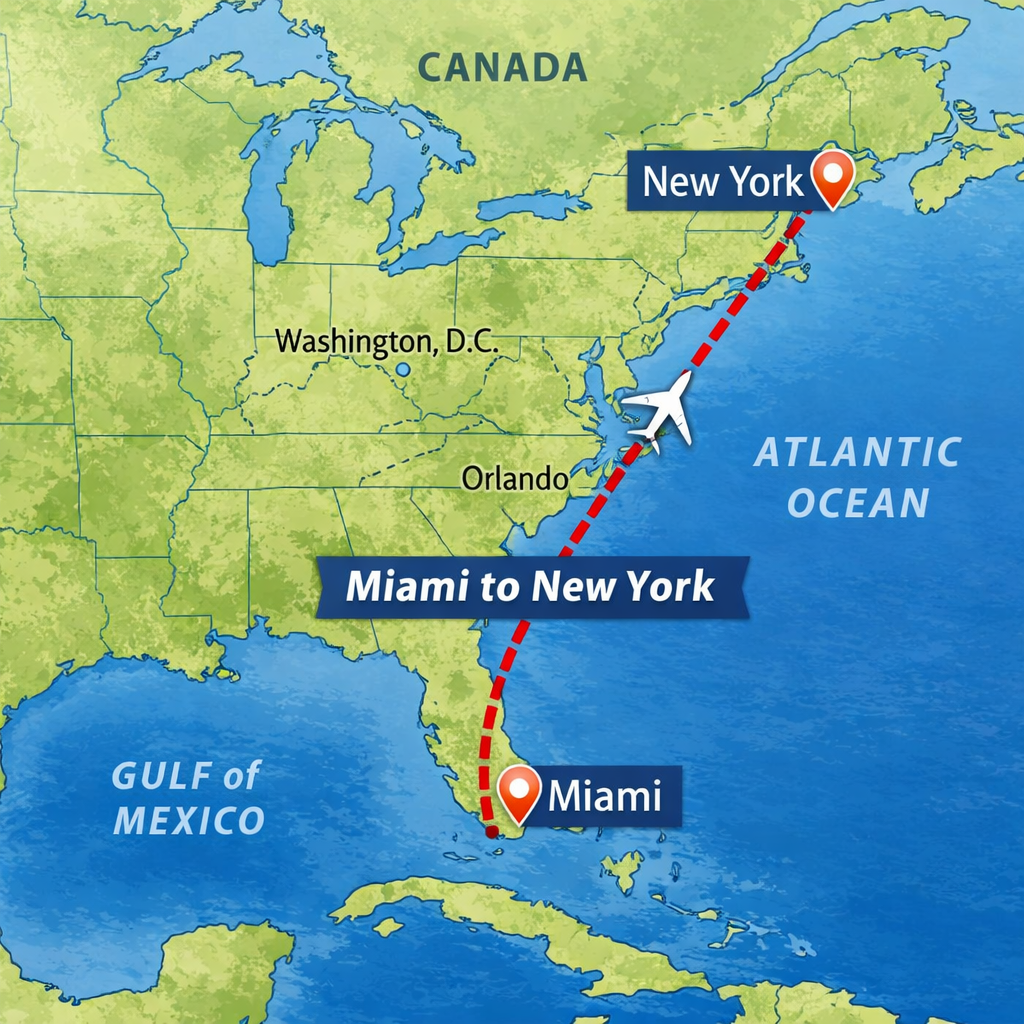
The flight hour cost is the base charge for the aircraft and crew for the estimated flight time of the specific routing. This is typically calculated as a published hourly rate multiplied by the estimated hours, and it is where the largest portion of the total cost sits. For a midsize jet from New York to Miami with an estimated flight time of approximately two hours and forty-five minutes, the flight hour charge is the dominant figure in the total.
The fuel surcharge is either embedded in the hourly rate or shown separately depending on how the operator structures their pricing. With jet fuel prices subject to variation, some operators build in a fuel surcharge that adjusts with market pricing at the time of the flight rather than locking in at the time of the quote. Understanding whether fuel is included in the quoted hourly rate or shown separately affects your ability to compare quotes accurately.
FBO fees at both the departure and arrival airports are typically a separate line item. These are the handling charges levied by the fixed base operator for services including ramp access, aircraft marshaling, crew lounge access, and ground handling. FBO fees vary significantly between airports and between FBOs at the same airport, and they can meaningfully affect the total cost of a short-haul charter where the flight hours represent a relatively small portion of the overall invoice.
Positioning fees appear when the aircraft that is available for your trip is not based at the airport you want to depart from. If the closest available midsize jet is based in New Jersey and you want to depart from White Plains, the operator may include a positioning charge to cover the deadhead flight from their base to your requested departure airport. Understanding whether positioning is included in a quote and how it is being calculated prevents surprise charges at invoicing.
How Routing Complexity Affects Your Quote
Single-leg point-to-point trips are the most straightforward to price. You want to go from Airport A to Airport B. The operator calculates flight hours, adds applicable fees, and gives you a number. The complexity, and the opportunity for quote variation, increases when trips involve multiple segments, overnight positioning, or return legs with significant time gaps.
Multi-day trips where the aircraft and crew wait at the destination overnight are priced differently than single-day there-and-back charters. The operator is maintaining the aircraft and paying for crew accommodation during the waiting period, and those costs appear in the quote either as a daily aircraft holding fee, crew expenses, or both. Comparing quotes for a multi-day charter requires understanding how each operator is structuring these waiting period costs.
When you specifically want the flexibility of booking only the outbound leg, which is often the right choice for trips where the return timing is uncertain, the quote for a one-way charter may include a positioning fee for the aircraft to deadhead back to its base. The full picture of how one-way pricing works across different aircraft categories is covered at one way private jet where you can also see how combining one-way charter with empty leg availability for the return changes the total trip economics significantly.
The Transparency Question: How to Know If You Are Getting Operator Pricing
There are several indicators that can help you understand whether a quote reflects direct operator pricing or includes a brokerage layer. The most direct approach is to ask explicitly whether the company providing the quote is the operating certificate holder for the aircraft or whether they are acting as a broker and sourcing the flight from a third-party operator. Reputable brokers and reputable direct operators will both answer this question directly.
Quote breakdowns that show itemized cost components tend to reflect more transparent pricing than single-line-item quotes. A quote that says simply $14,500 all-in without showing the component costs is not necessarily dishonest, but it provides less information for comparison purposes.
CharterBlast's approach is to connect the client directly with the operator and facilitate transparency around the full cost structure rather than presenting an opaque total figure. The operator knows what their aircraft costs to operate on a specific routing, and that information reaches the client directly. If you want to understand what this looks like on a specific route before committing to anything, charter-quote allows you to submit a detailed request and compare what comes back from the certified operator network.
When to Compare Multiple Quotes and When to Move Quickly
The traditional advice about getting multiple quotes is sound for planned charter travel where the departure date is two or more weeks out. In this scenario, requesting quotes from multiple sources, comparing the component cost structures, and identifying the best combination of price and operator quality is a reasonable exercise. The time pressure is low enough that the comparison process produces meaningful value.
For last minute bookings, particularly for empty legs or short-notice charters within 48 hours of departure, the competitive landscape shifts rapidly. Aircraft that are available this morning may not be available this afternoon. In these situations, moving quickly on a quote from a trusted, certified operator is often more valuable than the marginal gain from an extended comparison process. The real-time last minute availability at last-minute-private-jet gives you the most current view of what is actually available without requiring you to wait for responses from multiple brokers before you can even begin comparing.
What CharterBlast's Quote Process Looks Like in Practice
Requesting a quote through CharterBlast begins with the specific parameters of your trip. Departure airport or city, destination, preferred date and time window, number of passengers, and any specific requirements around aircraft type, catering, or other details. The platform matches this request against available certified operators and surfaces options that meet your parameters, with the associated pricing and aircraft information presented transparently. For travelers who want to see what the empty leg alternative looks like alongside a standard charter quote for the same corridor, empty-leg-flights gives you the live inventory picture at the same time.