Empty Legs and Art Basel: How the Smart Money Flies to Miami in December
The Week That Defines Miami's Private Aviation Calendar
There is no single week in the North American private aviation calendar that concentrates demand as intensely as the first week of December in Miami. Art Basel Miami Beach draws the densest gathering of ultra-high-net-worth individuals, gallery owners, collectors, artists, and the financial and social infrastructure that orbits them of any annual event on the continent. The demand for private aircraft into Miami during this window is extraordinary, and the implications for travelers who either want to attend or simply need to move through South Florida during this period are significant.
Understanding the demand dynamics of Art Basel week from a private aviation perspective is useful whether you are planning to attend and want to secure the best possible aircraft at the best possible pricing, or whether you are a Miami-based traveler who needs to fly out during the event and wants to understand why the market looks different that week than it does three weeks earlier.
The city landing page for Miami at private-jet-charter/miam covers the full picture of what the South Florida private aviation market looks like across the year. This article goes deeper on the specific dynamics of the peak event season and how to navigate it intelligently.
Why Inbound Aircraft Become Outbound Empty Legs
The traffic mechanics of Art Basel week are worth understanding specifically. The event runs from approximately Wednesday through Sunday of the first full week of December. The heaviest inbound traffic arrives on Tuesday through Thursday as attendees fly in for the opening night events and the main gallery sessions. The outbound traffic peaks on Sunday afternoon through Monday morning as the event concludes and the attending crowd disperses back to New York, Los Angeles, London, Geneva, and other major collector markets.
This inbound concentration creates an extraordinary outbound empty leg opportunity. Every aircraft that has delivered passengers into Miami for the event is going to leave South Florida, either with its original clients returning on a previously planned departure or as an empty repositioning flight back to its home base. The volume of aircraft that are positioned in Miami at the end of Art Basel week and need to reposition out is, for a few days, genuinely exceptional.
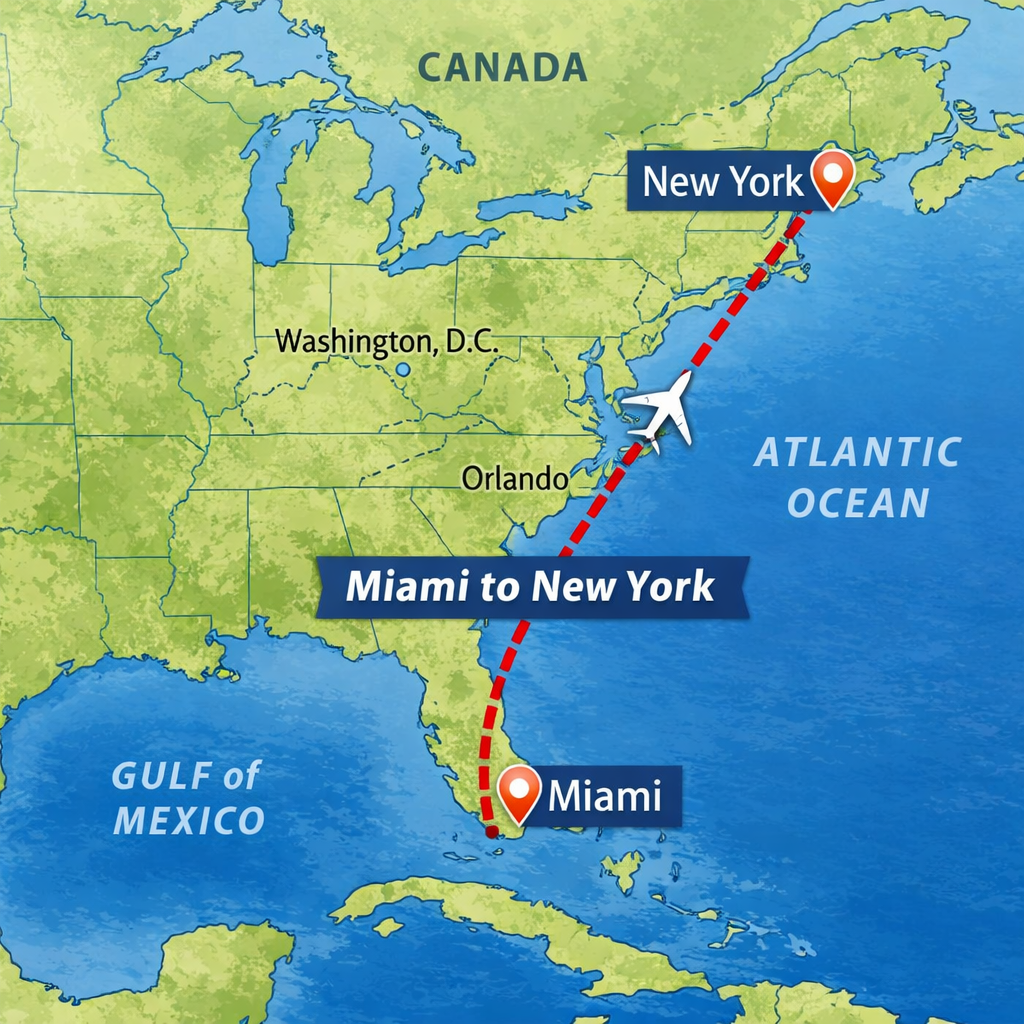
Travelers who need to fly north out of Miami in the first few days of the week following Art Basel, particularly those heading to New York, are operating in a market that has more aircraft positioning north than almost any other week of the year. The empty leg availability on the Miami to New York corridor in the days immediately after Art Basel represents one of the best annual windows for finding well-priced empty legs on that route. The current inventory for this route is always at empty-legs/miami-to-new-york, and setting up alerts for this specific corridor before the event ends positions you to capture legs as they become available.
Planning Inbound to Art Basel: How Far Ahead Is Enough
The practical planning horizon for inbound Art Basel travel has shortened considerably over the years as the event has grown in scale and the private aviation market has adjusted its expectations around it. Five years ago, booking six to eight weeks in advance provided a reasonable combination of aircraft availability and pricing leverage. Today, given the depth and maturity of demand for this event, operators and brokers who specialize in the Art Basel window begin fielding serious inquiries four to six months before the event.
This does not mean that last-minute options are unavailable. It means that the last-minute market for Art Basel week operates differently than the last-minute market for a standard week. Aircraft that are available within 48 hours of the event opening are available because of cancellations or because they are operated by smaller operators who have not pre-committed their fleet to the major buyers. The pricing on these late-availability aircraft does not reflect the discounted rates that typically characterize last-minute charter. During Art Basel week, genuine scarcity drives prices up rather than down in the final days before the event.
The Airport Decision During Peak Event Week
Airport selection during Art Basel week is more consequential than during a normal Miami charter booking. The two primary private aviation facilities, Opa-locka Executive at OPF and Fort Lauderdale Executive at FXE, both experience significantly elevated traffic during the event. Ramp space becomes constrained, ground handling wait times increase, and the premium FBO experience that normally defines private terminal departures becomes somewhat compressed by volume.
Travelers with flexibility on arrival airport should consider Fort Lauderdale Executive as the primary option during this week. It is slightly further from South Beach where the main Art Basel events are concentrated, but the ground handling environment is typically less congested than Opa-locka during peak periods. For clients where the ground transportation time from FXE to South Beach is acceptable, the overall arrival experience is often better than at OPF during the heaviest traffic days.
Other Miami Events That Create Similar Dynamics
Art Basel week receives the most attention but several other Miami events create meaningfully elevated private aviation demand and the associated empty leg opportunities that follow them. The Formula 1 Miami Grand Prix, typically held in early May at the Miami International Autodrome, has grown extremely quickly in terms of private aviation traffic since the race joined the calendar. The demand concentration around Grand Prix weekend is comparable to Art Basel in terms of aircraft volume, though slightly more compressed in terms of the arrival and departure windows.
Ultra Music Festival in March creates another notable demand spike, particularly for inbound travel from the northeast. Miami Music Week, which immediately precedes Ultra, extends the elevated demand period to approximately a full week. Travelers who follow event-driven travel patterns and want to capitalize on the outbound empty leg opportunities that follow these events should have CharterBlast alerts configured for the post-event departure windows. The last minute charter page at last-minute-private-jetis the most relevant tool for identifying these post-event empty leg opportunities as they materialize in real time.
The Broader Principle: Event-Driven Aviation Intelligence
Art Basel is the most visible example of a broader principle that experienced private aviation users apply across their travel planning. Major concentrated events, whether in the arts, finance, sports, or entertainment sector, create predictable patterns of aircraft positioning that generate empty leg opportunities for travelers who understand the dynamics and have the tools to monitor and act on them.
The Aspen Food and Wine Classic. The Sun Valley Conference. Davos. The Monaco Grand Prix. The Masters in Augusta. Each of these events generates a wave of aircraft positioning that creates outbound empty leg opportunities in the days following the event. A traveler who understands these patterns and has real-time alerts configured for the relevant corridors will consistently find aviation opportunities that are invisible to travelers who only interact with the market reactively when they have a specific trip to book.
Building this kind of event-calendar awareness into your private aviation practice, and pairing it with the real-time monitoring capabilities of a platform like CharterBlast, turns what appears to be a random market into something considerably more predictable. The full empty leg inventory at empty-leg-flights gives you the live view of what is available now. Setting up route-specific alerts positions you to capture the opportunities that align with your travel patterns before other travelers in the same market see them.